
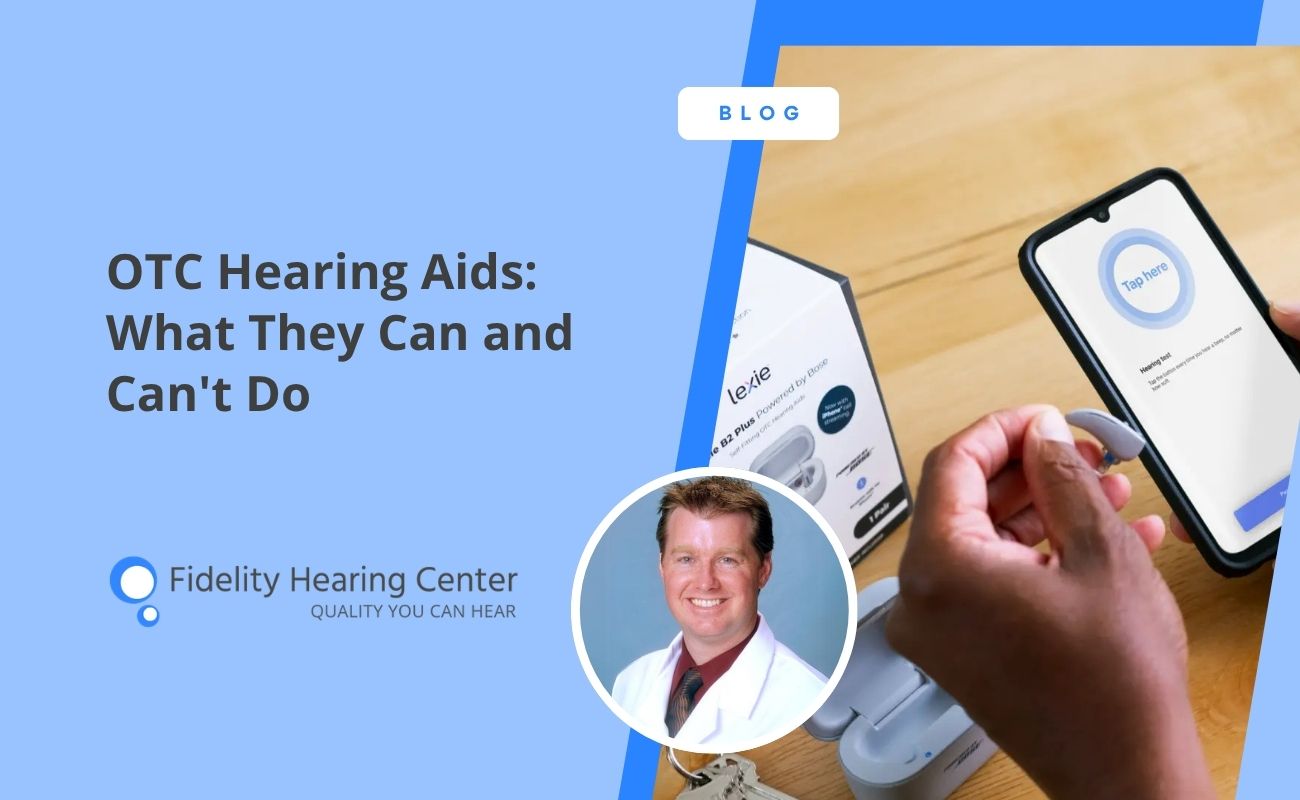
Over-the-counter (OTC) hearing aids have been a big deal since the FDA opened the market in 2022, letting adults buy amplification devices without a prescription or a single appointment. Lower prices, no waiting rooms, and available at your local pharmacy or on Amazon — the appeal makes sense. But before you click "add to cart," it's worth understanding what these devices actually do well and where they fall short.
What Makes OTC Hearing Aids Different
OTC hearing aids are FDA-regulated devices designed for adults 18 and older with mild to moderate hearing loss. No hearing test, no professional fitting — just purchase and go. Prices typically run $200 to $1,500 per pair, compared to $3,000 to $7,000 or more for prescription devices. Brands like Sony, Jabra, and Lexie use smartphone apps that let you adjust settings yourself.
That accessibility is genuinely useful for a lot of people. If cost has been the reason you've been putting off doing something about your hearing, OTC options remove that barrier. And if you live far from an audiologist, having something available at a pharmacy matters.
Where OTC Devices Actually Help
For the right person, OTC hearing aids can make a real difference. If you're struggling to follow conversations in noisy restaurants, missing words on TV, or frequently asking people to repeat themselves, a well-chosen OTC device might help you hear more clearly day-to-day.
They're also a reasonable starting point if you've already had a professional hearing test confirming mild to moderate loss, or if you want to try amplification while you're planning to see a specialist. They're not a perfect solution, but they're not useless either.
What They Can't Do
This is where things get important. OTC devices are not equipped to handle everything that contributes to hearing difficulty.
They won't catch what's causing your hearing loss. Hearing loss has many causes — earwax buildup, ear infections, fluid in the ear, even tumors or conditions like Meniere's disease. An OTC device amplifies sound, but it can't tell you why you're struggling to hear. Some of those causes need medical treatment, not just amplification.
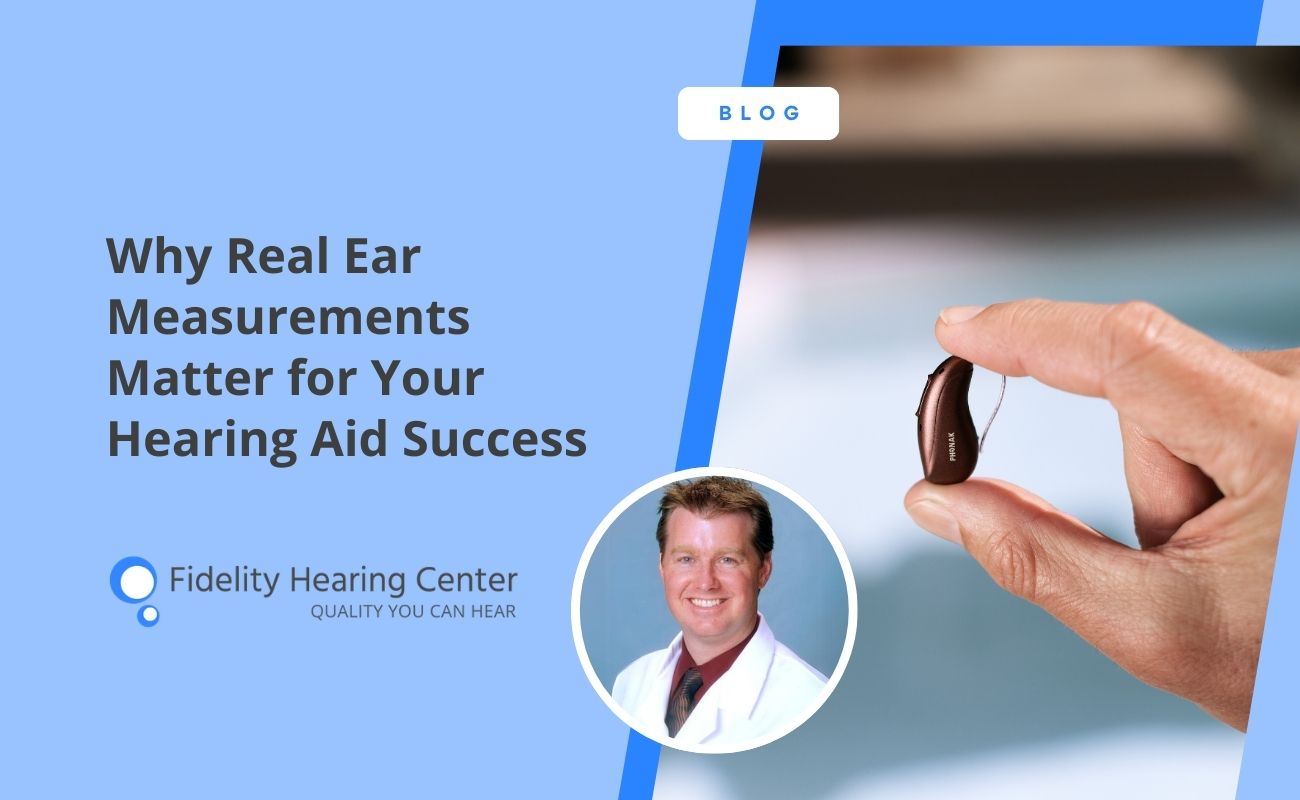
They can't be precisely calibrated to your ears. At Fidelity Hearing Center, every fitting includes real-ear measurements — a process that verifies a hearing aid is delivering exactly the right amount of sound at each frequency for your specific ear anatomy. OTC devices rely on self-reported preferences and app adjustments. That's a significant gap.
They're not designed for moderate-to-severe loss. Many people underestimate how much their hearing has changed. Without a professional evaluation, you might choose a device that simply isn't powerful enough — and not realize it. Worse, using an underpowered device can give you a false sense that you've addressed the problem when you haven't.
There's no follow-up care. Hearing changes over time. Prescription hearing aids fitted by an audiologist come with follow-up visits and fine-tuning as your needs shift. With an OTC device, you're largely on your own.
The Risk of Skipping a Professional Evaluation
Here's what concerns audiologists most: an OTC device that provides *some* improvement can feel like it's working, even when it isn't calibrated correctly for your hearing profile. You might be missing critical speech frequencies without knowing it. Or you might be delaying care for a condition that needs attention.
The research on untreated — or inadequately treated — hearing loss is serious. It's consistently linked to cognitive decline, depression, social isolation, and increased dementia risk. Getting your hearing right isn't just about comfort. It's about protecting your long-term health.
What You Get with Professional Care
Dr. David DeKriek at Fidelity Hearing Center in Cerritos has been helping patients across Los Angeles County hear better for more than 25 years. A full evaluation here includes an otoscopic exam, pure-tone testing, and speech discrimination testing — giving a complete picture of your hearing, not just a general sense of "mild loss."
From there, Dr. DeKriek makes personalized recommendations based on your hearing profile, lifestyle, and budget. Every hearing aid fitting uses real-ear measurements, and aftercare is always included. We carry leading brands including Signia, Oticon, Starkey, Phonak, ReSound, and Widex.
For patients who can't easily travel to Cerritos, Dr. DeKriek also offers in-home hearing care to surrounding communities including Lakewood, Downey, Long Beach, Norwalk, and La Mirada.
The Best First Step
If your hearing has been bothering you, start with a comprehensive hearing test — not a self-fitting app. Understanding exactly what's going on with your hearing is the only way to make a smart decision about what comes next.
Schedule an appointment with Dr. DeKriek and get a clear, accurate picture of your hearing health before making any decisions.




.png)


